
How to Stay Active at Home: Movement Practices for Non-Gym People
Staying active is important for physical and mental health. But not everyone enjoys the gym or structured workouts. The good news is that movement can happen anywhere, even at home. Small practices, repeated daily, help maintain mobility, strength, and energy. You don’t need fancy equipment or a lot of space. By adopting consistent habits, you can support long-term wellness in a natural and approachable way, living pain-free without gym workouts. This guide explores practical strategies for staying active at home, making movement feel simple and enjoyable.
Understanding At-Home Activity

Being active at home doesn’t mean intense workouts. It is about incorporating gentle, frequent movements throughout your day. These actions keep your muscles engaged and joints flexible. From stretching to short bursts of movement, small choices add up. The key is consistency. When movement becomes a part of your routine, your body responds positively. You’ll notice better circulation, improved posture, and less stiffness. Even non-gym individuals can feel stronger and more energized.
Morning Rituals to Wake the Body
Starting the day with simple movements sets the tone for activity. Gentle stretches, light yoga, or walking in place can awaken muscles. Movements like reaching overhead or rotating the shoulders promote circulation. They also prepare your body for the day ahead. These routines are quick, often requiring just a few minutes. Yet their benefits last throughout the morning. Morning rituals create a sense of readiness and increase awareness of your body’s capabilities.
Incorporating Movement Into Daily Tasks
Daily chores can become opportunities for activity. Cleaning, cooking, or organizing can include small movements. Squats while picking up items, calf raises while washing dishes, or gentle torso twists while folding laundry are examples. These micro-movements engage muscles and keep your body active without feeling like exercise. Over time, they improve strength, balance, and flexibility. This approach makes movement practical and sustainable for non-gym individuals.
Stretching for Flexibility and Comfort
Flexibility is vital for overall health. Stretching at home supports joints, muscles, and posture. Simple actions like neck rolls, shoulder shrugs, or hamstring stretches reduce tension. They can be done multiple times a day. Stretching also encourages mindfulness, helping you notice areas of tightness or discomfort. Incorporating stretches into your daily routine ensures your body remains agile. This reduces discomfort from prolonged sitting or repetitive tasks.
Short Movement Breaks Throughout the Day

Sitting for long periods can cause stiffness and fatigue. Short movement breaks combat this. Stand up every hour, walk around, or do a few gentle lunges. Even a two-minute break helps circulation and alertness. Over time, these breaks accumulate to provide significant benefits. The practice also supports focus and energy. These mini-routines make staying active manageable and realistic, even for busy schedules.
Engaging in Low-Impact Exercises
Low-impact exercises are ideal for home activity. Movements like seated leg lifts, gentle squats, or wall push-ups strengthen muscles without strain. These actions can be adapted for different fitness levels. They are easy on joints yet effective for maintaining mobility. Incorporating them into a daily routine ensures progress without the need for heavy equipment or gym space. The unique advantage is that they can be performed anywhere, anytime.
Using Mindful Movement Techniques
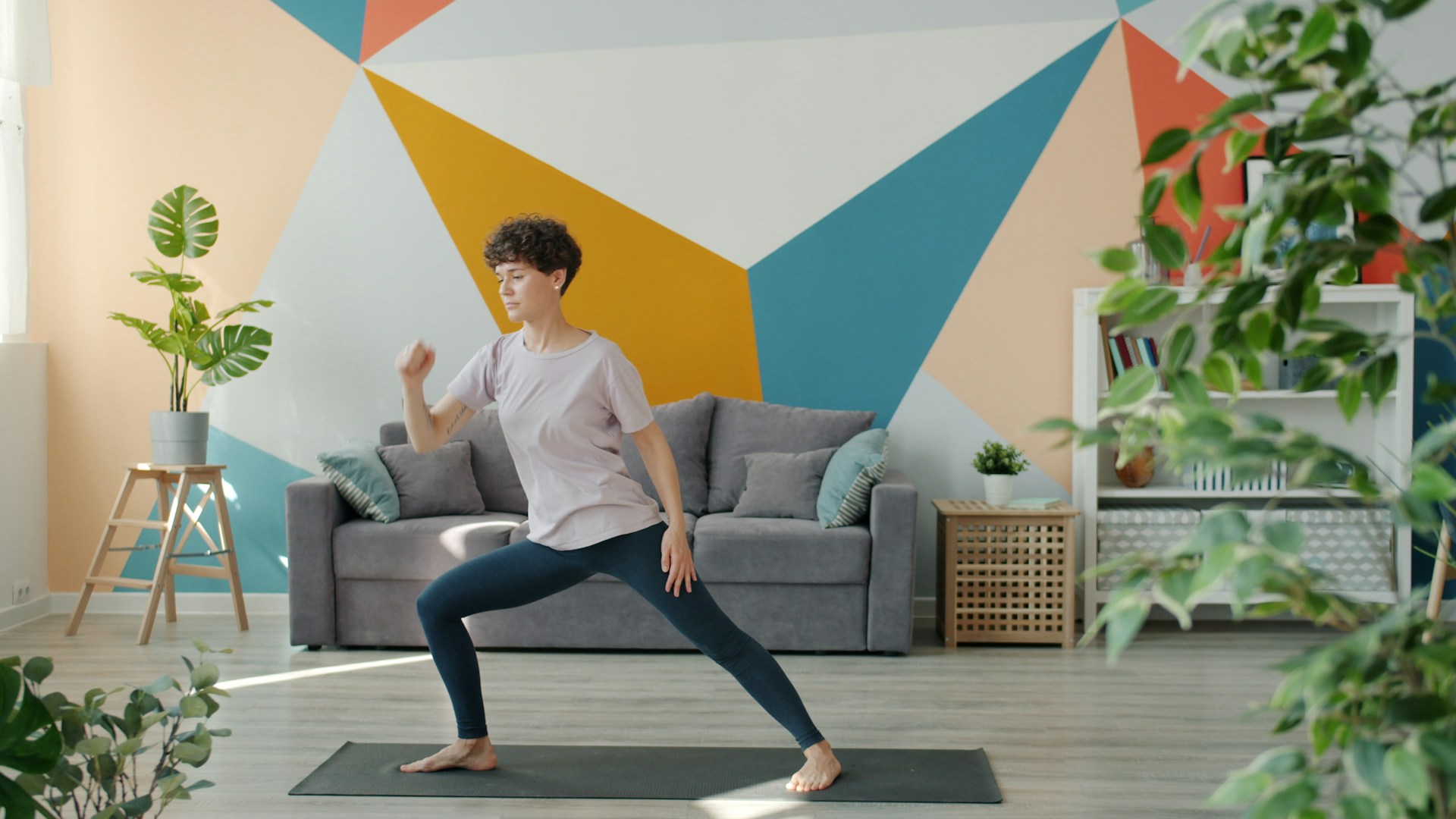
Mindful movement encourages attention to how the body feels during activity. Practices like tai chi, slow yoga flows, or focused breathing while stretching increase awareness and reduce tension. This method helps prevent injury and promotes a sense of calm. It also enhances body coordination and posture. Mindful movements create a deeper connection with your body. When combined with regular activity, they support both mental and physical health.
Creating a Sustainable Home Activity Routine

Consistency is the key to staying active at home. Develop a routine that is easy to maintain. Mix stretches, low-impact exercises, and mindful movement throughout your day. Incorporate activity into daily tasks and take short breaks to move your body. Over time, these small habits build strength, flexibility, and energy. They make movement a natural part of your life rather than a chore. A sustainable routine ensures long-term benefits for health and well-being.
At-home activity is accessible to everyone. By integrating gentle, consistent movements, non-gym individuals can maintain mobility, reduce stiffness, and improve overall health. These practices are simple, adaptable, and effective. They provide a foundation for long-term wellness while fitting seamlessly into everyday life. With small changes and consistent effort, staying active at home becomes both practical and enjoyable.