
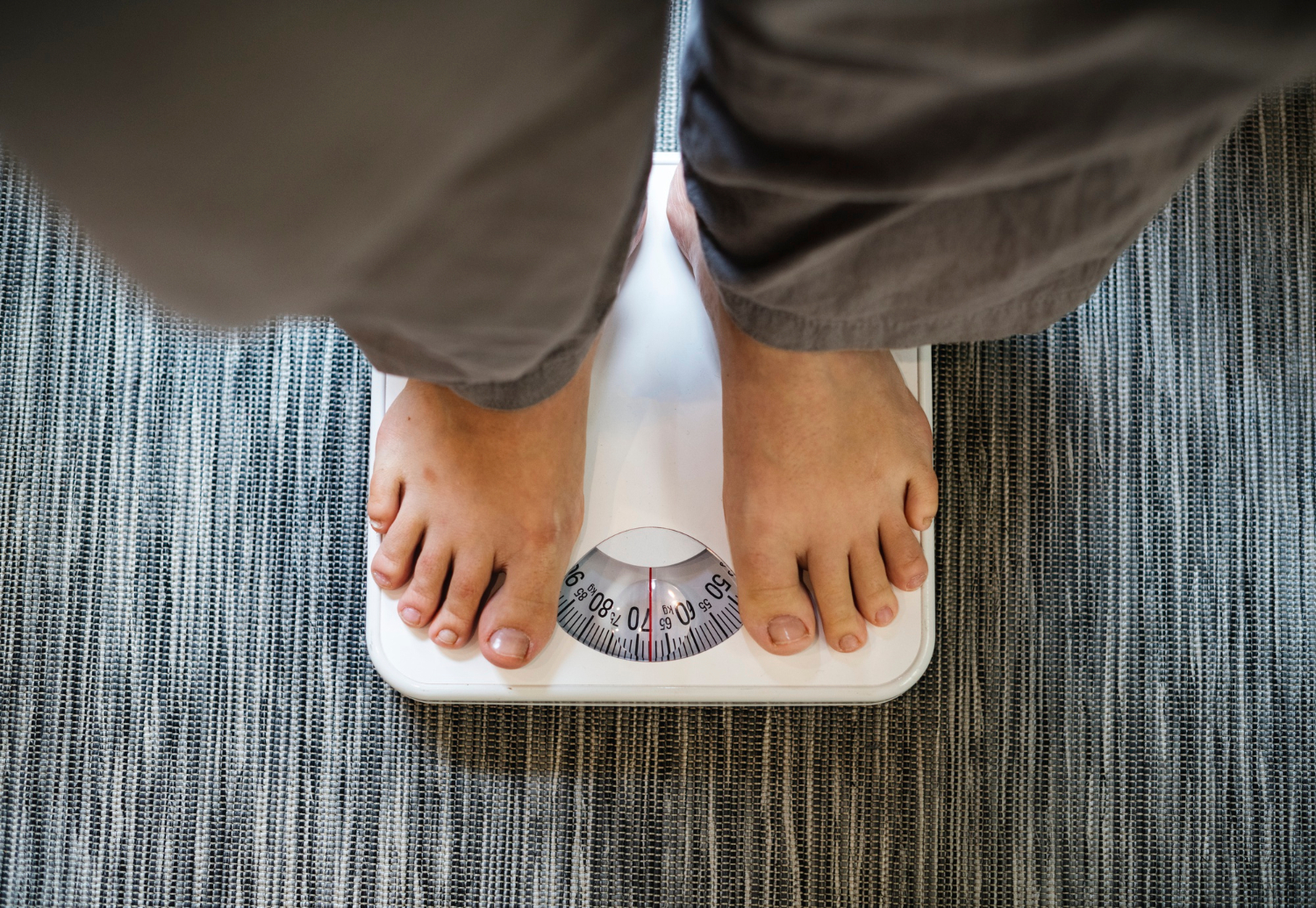
Smart Weight Management Habits You Can Build at Home
Spending more time at home often means more hours around the kitchen and fewer chances to move. For many students and professionals, this has created habits that feel hard to break. Exploring why wellness is more than just fitness and pairing simple strategies with tips to manage weight while staying at home helps you keep health goals realistic and stress-free.
Start With Mindful Eating
 Mindless snacking is easy when the fridge is just a few steps away. Instead of eating straight from a bag, portion out a serving so you’re aware of what you’re consuming. Slowing down while eating also gives your body time to register fullness. Mindful eating doesn’t mean you cut out your favorite foods. It simply means creating moments of awareness before and during meals. This habit keeps cravings in check and prevents overeating without feeling restrictive.
Move Every Hour
Hours of sitting at a desk or couch build up quickly. Even if you don’t have a gym, standing up and stretching every hour helps blood flow and energy levels. A quick walk around your space or a few bodyweight squats can reset your body. These micro-breaks might feel too small to matter, but they add up fast. By the end of the day, you’ll have moved more than you thought. Small, consistent activity supports long-term calorie balance and mental focus.
Focus on Protein and Fiber

Meals rich in protein and fiber keep you fuller for longer. Eggs, beans, lean meats, or even a protein shake can prevent late-night hunger. Pairing them with fruits and vegetables adds volume to meals without excessive calories. Fiber also supports digestion, which is crucial if you’re less active during the day. Protein, on the other hand, maintains muscle and stabilizes energy levels. Together, they create meals that satisfy both appetite and performance needs.
Set Boundaries for Snacking
Late-night snacking is where many people slip up. Establishing a simple “kitchen closed” time can help reduce unnecessary eating. Keeping snacks out of immediate reach also makes it less tempting to grab them mindlessly. If you do get hungry after dinner, go for lighter options like Greek yogurt, fruit, or popcorn. These choices satisfy cravings without weighing you down. Building snack boundaries creates structure that supports steady progress.
Make Rest and Recovery a Priority
 Sleep is often overlooked in weight management. Poor sleep increases cravings for sugar and processed food, making it harder to stick to healthier habits. Aim for consistent bedtime routines to support recovery. Stress management also plays a role here. Deep breathing, journaling, or light stretching before bed can calm your body and mind. When you’re rested, it’s easier to make better food and movement choices the next day.
Managing weight at home doesn’t require complicated plans. With mindful eating, frequent movement, balanced meals, snack boundaries, and enough rest, progress feels sustainable. These habits fit into daily routines without overwhelming your schedule. By building consistency, you create a foundation that keeps your health goals moving forward.