
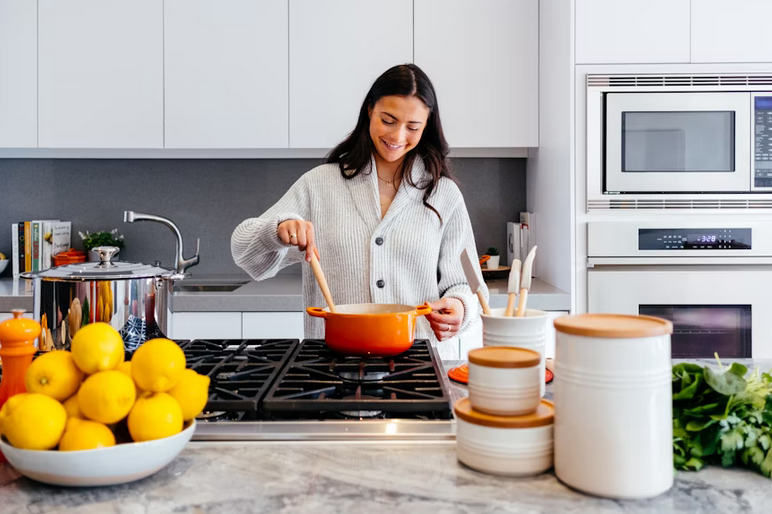
Why Cooking at Home Can Improve Long-Term Health for Remote Workers
In today’s era of meal deliveries, instant snacks, and fast-food chains on every corner, home cooking may seem like an outdated habit, especially if you are a busy remote worker. But stepping back into your kitchen could be one of the smartest decisions you make for your future health. Beyond the buzz of convenience, there’s a growing recognition of the health dividends that preparing your own meals offers. In fact, more people are reconnecting with their kitchens, particularly remote workers who need simple, energizing meals — and if that’s your vibe, you might enjoy exploring these 8 tasty meal options for remote workers to get started. Let’s break down powerful reasons why cooking at home can set you on a path to healthier living for years to come.
You Control What Goes in — and What Stays Out
When you cook your own food, you have direct command over every ingredient used. That means fewer preservatives, sodium-heavy sauces, or hidden sugars sneaking into your plate. You can cut down on additives and focus more on whole, fresh ingredients. Want to reduce your salt intake? Swap in herbs. Trying to cut calories? Steam instead of fry. You don’t have to be a trained chef to take simple, healthy steps. This level of control helps build habits that stay with you for life. It’s hard to replicate that with restaurant or packaged food, no matter how “healthy” it claims to be.
Home-Cooked Meals Promote Better Portion Awareness

Ever noticed how restaurant servings seem to grow with every year? Eating out often means taking in far more calories than your body actually needs. Cooking at home helps you become more conscious of portion sizes — not because you’re counting every gram, but because you begin to understand what a balanced plate looks like. Over time, this can support healthier weight maintenance and reduce the risk of obesity-related illnesses like type 2 diabetes, hypertension, and joint problems.
Cooking Encourages Mindful Eating Habits
When you prepare your meals, you tend to slow down. You smell the garlic sizzling, taste-test the soup, and pause before devouring your creation. This whole experience supports more mindful eating — and that’s a game-changer. People who eat mindfully are less likely to overeat and more likely to recognize when they’re full. They also tend to feel more satisfied after meals, which leads to fewer unnecessary snacks and cravings throughout the day.
You’re More Likely to Eat a Balanced Diet

Relying on packaged foods or takeout can often lead to gaps in nutrition — too much refined carbs, not enough fiber; tons of fat, barely any greens. But when you cook at home, you naturally start to include a wider range of ingredients. It becomes easier to balance carbs, proteins, and vegetables. Even with limited culinary skills, most home cooks lean into basics like beans, rice, lean meats, and vegetables, which already sets the stage for a well-rounded plate. Over the years, this consistent exposure to balanced meals supports everything from digestion to immune function.
Cooking at Home Strengthens Mental Health
While physical health often takes center stage, your brain also reaps benefits from regular home cooking. The act of preparing a meal — even something simple — can be grounding. It can become a daily ritual that helps reduce stress and give a sense of control, especially during overwhelming times. There’s also a psychological reward that comes from nourishing yourself and possibly others. Whether you’re sharing a meal with family or cooking just for you, there’s a quiet satisfaction in saying, “I made this.” And that emotional connection to food is something takeout simply can’t provide.
Cooking at home may not always be the quickest option, but the long-term health benefits it offers make it a worthwhile choice. By taking ownership of what you eat, you set yourself up for better physical wellness, greater mental clarity, and improved habits that last far beyond a single meal. Start small, find your rhythm, and rediscover the power of food made in your kitchen.